
Why Teeth Whitening Has Become So Popular
A brighter smile is one of the most requested cosmetic dental treatments today — and for good reason. It’s non-invasive, relatively affordable, and the results are visible quickly. But with so many whitening options available, from pharmacy shelves to professional dental offices, knowing which method actually works best for your situation can feel overwhelming. This guide breaks down the three most common approaches so you can make an informed decision.
Option 1: Whitening Strips
Whitening strips are thin, flexible plastic strips coated with a low-concentration hydrogen peroxide gel. They’re applied directly to the teeth and worn for 20 to 30 minutes a day over a period of one to two weeks.
What works well: They’re widely available, affordable, and convenient for home use. Most people see a noticeable difference after consistent use.
What to keep in mind: Strips only whiten the flat front surfaces of teeth — they don’t reach the spaces between teeth effectively. Results are typically mild to moderate, and some people experience temporary gum irritation or tooth sensitivity during treatment.
Best for: First-time whitening, mild discoloration, or maintaining results after a professional treatment.
Option 2: Custom Whitening Trays
Custom trays are made by your dentist from an impression of your teeth. They’re filled with a professional-strength whitening gel and worn for a set amount of time each day — usually one to two hours, or overnight depending on the gel strength.
What works well: Because the trays are custom-fitted, the gel reaches all tooth surfaces evenly, including curved and in-between areas that strips miss. The whitening gel used is significantly stronger than over-the-counter options, so results are more comprehensive and longer-lasting.
What to keep in mind: The trays require an initial dental visit for impressions, and the full results take one to two weeks of consistent use. Some sensitivity is possible, especially with overnight trays.
Best for: Patients who want professional-level results at home and prefer a gradual, controlled whitening process.
Option 3: Laser (In-Office) Whitening
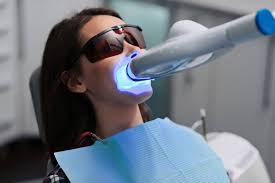
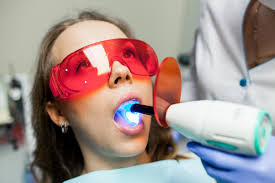
In-office laser whitening is the fastest and most powerful of the three options. A high-concentration bleaching gel is applied to the teeth and activated using a specialized light or laser, typically over the course of a single 60 to 90-minute appointment.
What works well: Results are dramatic and immediate — most patients leave the office with teeth that are several shades brighter after just one session. The procedure is performed under clinical supervision, so the gums and soft tissues are properly protected throughout.
What to keep in mind: It is the most expensive option. Some patients experience heightened tooth sensitivity for a day or two afterward. Results are long-lasting but will fade over time without proper maintenance.
Best for: Patients who want the fastest possible results, those preparing for a special event, or anyone who has tried at-home methods without satisfying results.
How to Choose the Right Method for You
The best whitening method depends on a few personal factors — how quickly you want results, your budget, and how sensitive your teeth are. Here’s a simple way to think about it:
- If you want quick, dramatic results — laser whitening is your best option
- If you want professional results on a budget — custom trays offer the best value
- If you want a starting point with minimal commitment — strips are a reasonable first step
- If your teeth are already sensitive — talk to your dentist before starting any whitening treatment, as some methods may need to be modified
It’s also worth noting that whitening treatments only work on natural tooth enamel. Crowns, veneers, and bonding will not respond to bleaching agents, so if you have visible dental work in your smile, speak with your dentist before choosing a method.
Maintaining Your Results
Regardless of which method you choose, whitening results are not permanent. Daily habits play a big role in how long your results last:
- Limit coffee, tea, red wine, and dark sauces
- Rinse your mouth with water after consuming staining foods or drinks
- Brush twice daily with a fluoride toothpaste
- Visit your dentist regularly for professional cleanings
- Consider occasional touch-up treatments every six to twelve months
Frequently Asked Questions
1. Is teeth whitening safe?
Yes, when used as directed. Professional treatments performed or supervised by a dentist are the safest option. Over-the-counter products are also safe when used correctly, but overuse can lead to enamel sensitivity or gum irritation.
2. How long do whitening results last?
It varies by method and lifestyle. In-office laser whitening can last one to three years with good maintenance. Custom tray results typically last six months to a year before a touch-up is needed. Strip results tend to fade faster, within a few months.
3. Will whitening work on all types of stains?
Whitening is most effective on yellow staining caused by food, drinks, and aging. Grey or brown stains — often caused by tetracycline antibiotics or fluorosis — respond poorly to bleaching. In these cases, veneers or bonding may be a more effective solution.
4. At what age can someone start whitening their teeth?
Most dentists recommend waiting until the age of 16, when adult teeth and enamel are fully developed. For younger patients, a dental consultation is recommended before starting any whitening treatment.
“Whether you’re looking for a quick refresh or a complete smile transformation, our team in Blaine can help you find the whitening solution that fits your goals and your lifestyle — book a consultation today.”