
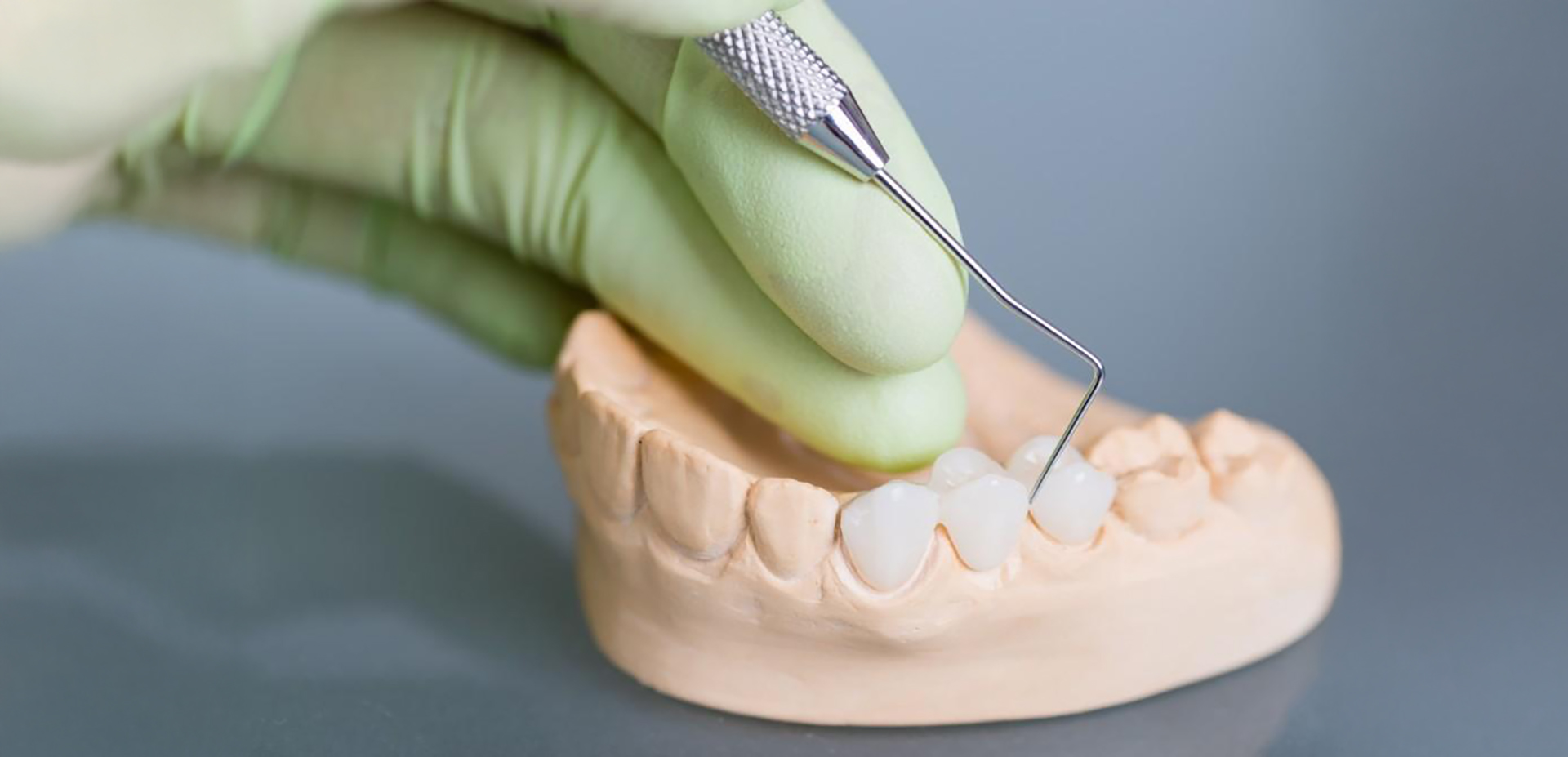
What Is a Temporary Crown?
A temporary crown is a short-term restoration placed over a prepared tooth while your permanent crown is being custom-made in a dental lab. It protects the exposed tooth structure, keeps surrounding teeth from shifting, and helps you maintain normal function in the meantime. Unlike permanent crowns, temporary ones are bonded with a weaker, removable cement — which means they need extra care, especially when it comes to eating.
How Long Should You Wait Before Eating?
The general rule is to wait at least 30 to 45 minutes after your procedure before eating anything. This gives the temporary cement enough time to set properly. If your dentist used a light-cure cement, the wait time may be shorter — they’ll let you know.
Quick tip: When in doubt, wait a full hour. Eating too soon is the most common reason temporary crowns become loose or dislodged on the same day they’re placed.
What to Eat — and What to Avoid
Safe foods:
- Soft foods like yogurt, mashed potatoes, soup, and scrambled eggs
- Cooked vegetables and soft-cooked pasta
- Smoothies and protein shakes
- Soft fish and tender, well-cooked chicken
Foods to avoid:
- Sticky foods — caramel, chewing gum, and gummy candies can pull the crown off
- Hard foods — nuts, hard candy, raw carrots, and ice can crack or dislodge the temporary
- Chewy foods — bagels, steak, and tough breads put excess pressure on the cement
- Very hot or cold foods — the prepared tooth underneath is often sensitive to temperature extremes
Tips to Protect Your Temporary Crown
- Chew on the opposite side of your mouth whenever possible
- Avoid flossing directly over the crown — slide floss out sideways rather than lifting it up
- Brush gently around the temporary crown using a soft-bristled toothbrush
- Skip alcohol-based mouthwashes — they can weaken the temporary cement over time
What If Your Crown Comes Off?
If your temporary crown comes loose or falls out, call your dentist promptly. In the meantime, you can use a small amount of dental cement (available at most pharmacies) or a tiny dab of toothpaste to hold it in place temporarily. Never leave the prepared tooth exposed for long, as it’s sensitive and can shift.
Frequently Asked Questions
1. Can I drink coffee or tea after getting a temporary crown?
Yes, but wait at least 30–45 minutes first. Once the cement has set, hot drinks are fine in moderation. Avoid very hot temperatures if you’re experiencing tooth sensitivity, which is common after crown preparation.
2. How long will I have the temporary crown?
Typically between one and three weeks, depending on how long your dental lab takes to fabricate the permanent crown. Your dentist will schedule a follow-up to place the permanent restoration once it’s ready.
3. Is it normal to feel sensitivity after the procedure?
Yes, mild sensitivity to hot, cold, or pressure is completely normal in the days following crown preparation. This usually settles down on its own. If sensitivity is severe or getting worse, contact your dentist.
4. Can I eat normally once the permanent crown is placed?
Almost, yes. With a permanent crown you can return to a normal diet — but avoid chewing ice, biting nails, or using your teeth to open packaging, as these can chip even a permanent crown over time.
“Taking care of your temporary crown for just a few weeks makes all the difference for a smooth, successful transition to your permanent restoration — our team is here to guide you every step of the way.”