

Choosing between Invisalign and braces is a common question for adults considering orthodontic treatment. Both are effective options that can straighten your teeth and improve your smile. The difference lies in how they work, how they fit your lifestyle, and the type of treatment your smile requires. In this guide, we break down the pros and cons of each option, compare how fast they work, and help adults in Blaine, MN make a confident, informed decision.
What’s the Difference Between Invisalign and Braces?
At their core, both Invisalign and braces achieve the same outcome: a straighter, healthier, more confident smile. The fundamental difference is the mechanism, and that mechanism shapes the entire treatment experience.
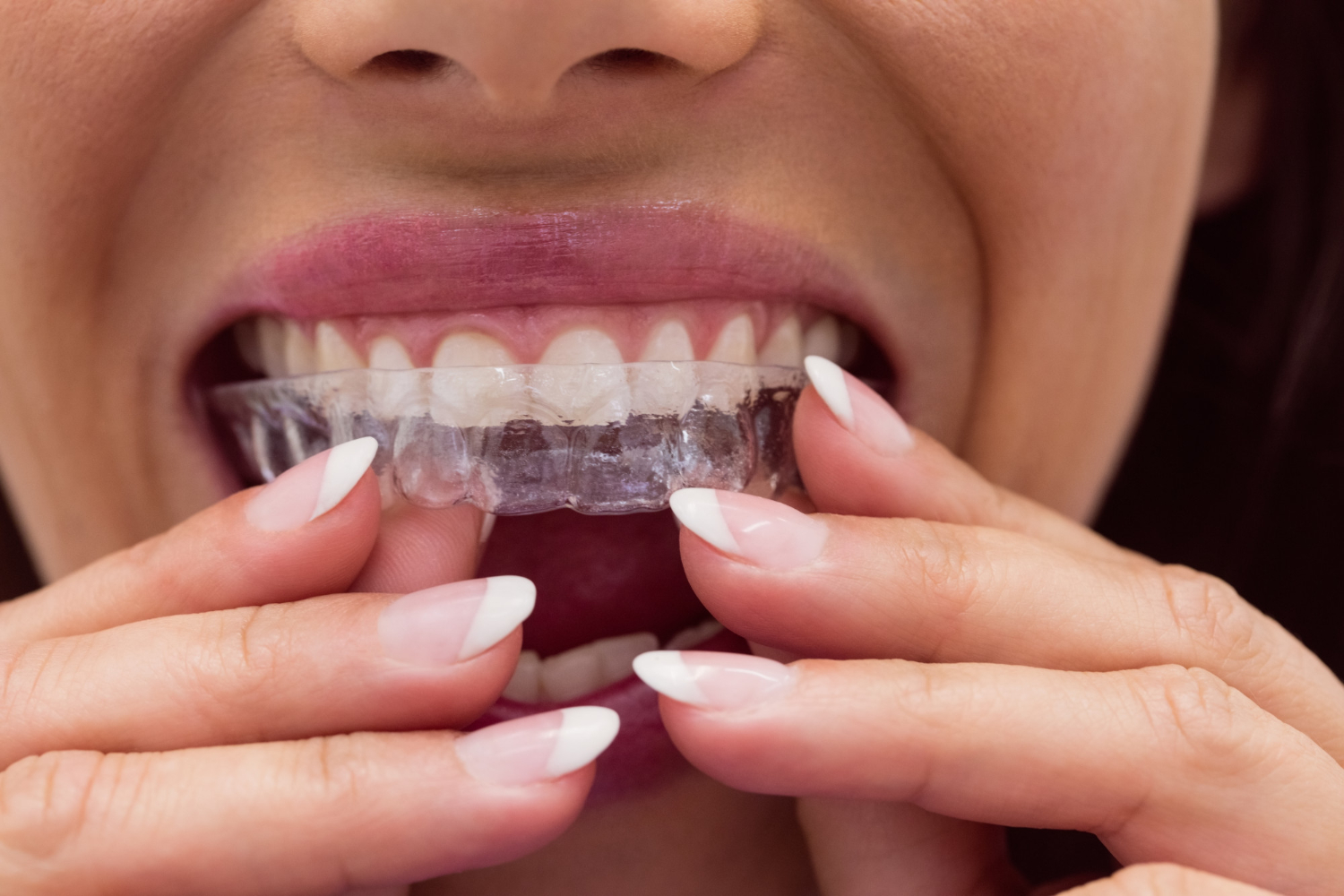
Invisalign: The Clear Aligner System
Invisalign uses a series of precision-crafted, removable clear aligners that are custom-designed to your unique dental structure. Each set of aligners is worn for approximately two weeks before progressing to the next, gently and continuously guiding your teeth toward their ideal position. The aligners are virtually invisible and can be removed for eating, drinking, brushing, and flossing.
Traditional Braces: Fixed Orthodontic Treatment
Invisalign vs Braces: Pros and Cons
Understanding the strengths and limitations of each option is essential to making the right choice for your unique situation.
Invisalign – The Advantages
- Virtually invisible: Ideal for adults who prefer a discreet treatment.
- Removable: Eat, drink, brush, and floss normally
- Smooth plastic: No wires or brackets irritating your cheeks
- Fewer appointments: Typically requires fewer in-office visits.
- Better oral hygiene: Easier to keep teeth and gums healthy throughout treatment.
Invisalign – The Limitations
- Requires commitment: Aligners must be worn 20–22 hours daily for the best results.
- May not be suitable for very complex alignment cases
- Easy to misplace when removed
- Can be slightly more expensive depending on case complexity
Traditional Braces – The Advantages
- Always working: Fixed in place, so treatment doesn’t depend on patient compliance.
- Best for complex cases: Effective for complex misalignment, crowding, and bite issues.
- More discreet options available: Clear ceramic braces are highly discreet.
- Cost-effective: Often the more affordable choice for longer or more complex treatments.
Traditional Braces – The Limitations
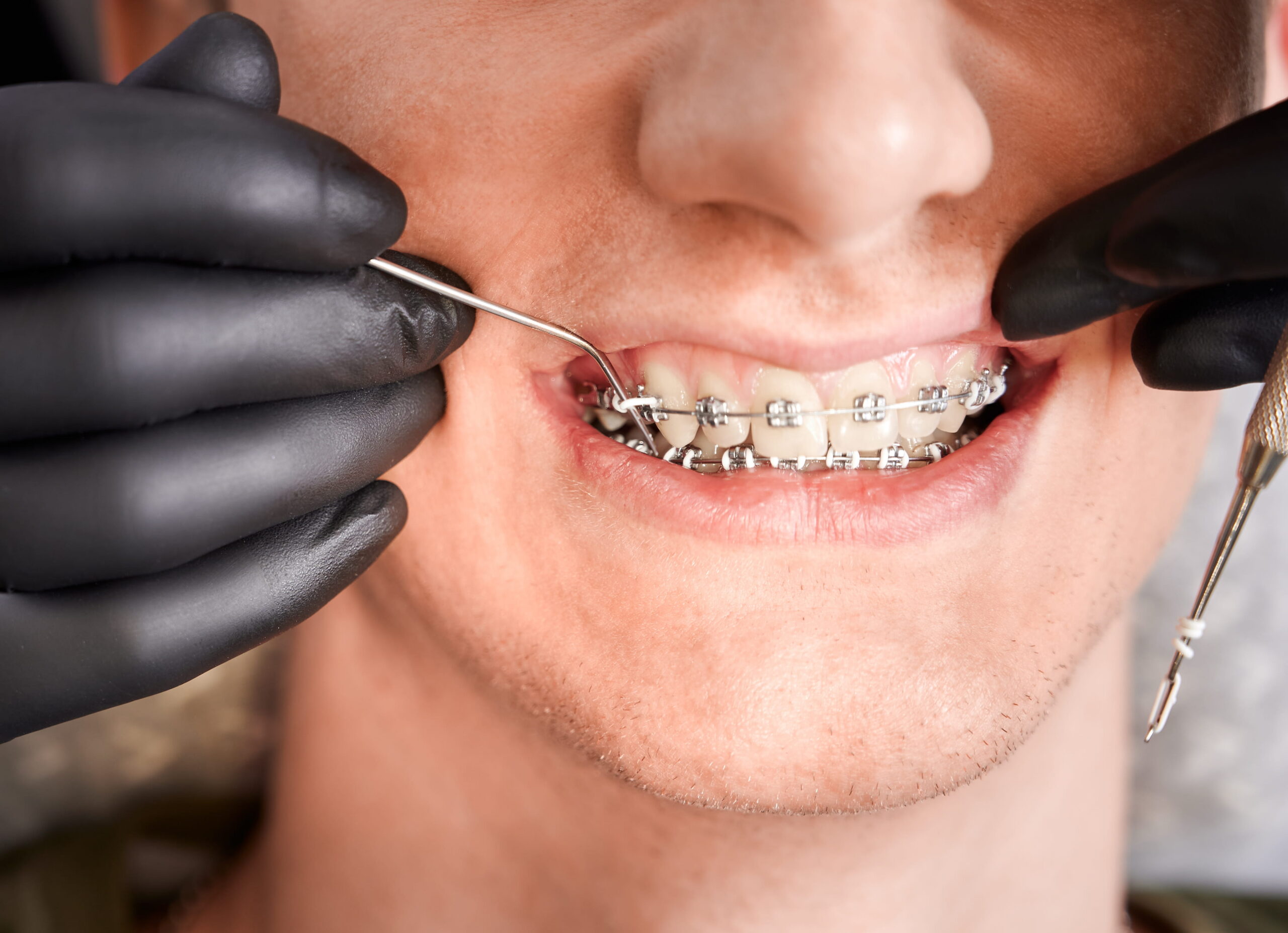
- Fixed: Certain foods should be avoided, and cleaning requires extra care.
- More noticeable: Metal braces are more visible than clear aligners.
- Harder to clean: Brackets and wires make brushing and flossing more time-consuming.
Invisalign vs Braces: Which Is Faster?
Treatment time depends on the complexity of your case. Mild to moderate cases often finish with Invisalign in 6–18 months, provided aligners are worn for 20–22 hours a day. More complex cases may require 18–24 months or longer with traditional braces, which offer greater control for significant bite issues and crowding.
During your consultation, our team will recommend the option that delivers the most predictable outcome for your smile.
What About Cost? Invisalign vs Braces in Blaine, MN
Cost is a natural and important consideration for every patient, and it varies based on the complexity of your case, your chosen treatment method, and the overall duration of your orthodontic journey.
For mild to moderate cases, Invisalign and ceramic braces are often similarly priced, while traditional metal braces are usually the most cost-effective option for complex treatment.
At Pro Dental, we accept most major insurance plans and offer flexible financing to help make treatment affordable. Our team will walk you through a transparent, detailed cost breakdown during your consultation, with no hidden fees and no surprises.
Why Pro Dental Patients in Blaine Trust Us With Their Smiles
At Pro Dental, we believe the best orthodontic recommendation is an honest one. We take the time to understand your smile, explain your options clearly, and recommend the treatment that’s right for you.
Here’s what you can expect:
- Comprehensive smile assessment with advanced digital imaging.
- Clear treatment plan with transparent pricing and timelines.
- A welcoming, judgment-free environment for every patient.
- Support from our team from consultation through to your final retainer.
Frequently Asked Questions
1. Can adults get Invisalign at any age?
Absolutely. Invisalign is a highly effective orthodontic solution for adults of all ages. Provided your teeth and gums are in good health, age presents no barrier to achieving outstanding results with clear aligner therapy.
2. Is Invisalign painful?
Most patients experience mild pressure when transitioning to a new set of aligners — a completely normal sensation that confirms the treatment is actively working. This discomfort is generally mild and subsides within one to two days, making Invisalign a significantly more comfortable experience than traditional braces for the majority of patients.
3. Which is faster – Invisalign or braces?
For mild to moderate cases, Invisalign can be the faster option, often completing treatment within 6–18 months. Braces may take 18–24 months for more complex cases. Your Pro Dental provider will give you a personalised timeline estimate following your initial assessment.
4. Will I need a retainer after treatment?
Yes – a retainer is an essential part of any orthodontic treatment plan, regardless of the method chosen. Retainers preserve the results achieved and prevent teeth from gradually shifting back to their original position. Our team will provide your retainer and guide you through proper care and maintenance.
5. How do I know which option is right for my case?
The most reliable way to determine the right treatment is a comprehensive consultation with our clinical team. We will examine your dental structure, discuss your goals, and provide a clear, honest recommendation, entirely tailored to your specific needs and lifestyle.
“Our dedicated team is here to guide you toward your most confident smile – schedule your consultation today and discover a new standard of orthodontic care and comfort.”
Ready to Find Out Which Is Right for You?
Whether you are leaning toward the discreet flexibility of Invisalign or the reliable precision of traditional braces, the best first step is a conversation with our team.
We will assess your smile, answer every question you have, and help you choose the path that delivers the results you’ve been looking for, with the care and comfort you deserve.