
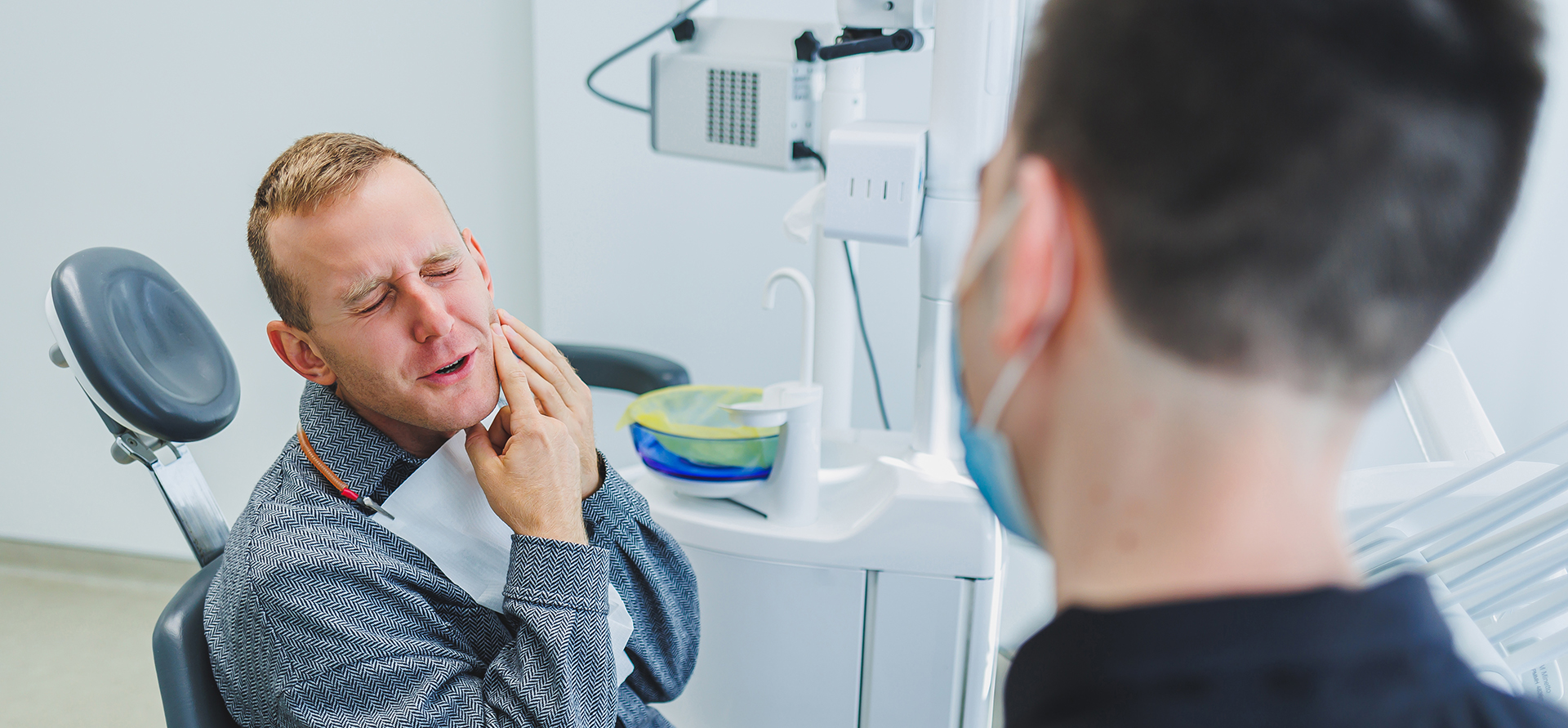
What Is the Most Common Dental Emergency?
A dental emergency can range from a persistent, agonising ache to a sudden physical injury during sports or daily activities. At ProDental, we define an emergency as any situation that requires immediate clinical intervention to alleviate severe pain, stop bleeding, or prevent a tooth from permanent loss. Understanding how to identify these symptoms is the first step toward preserving your natural smile and ensuring long-term oral health.
The Most Frequent Crisis: Severe Toothaches and Infections
The most common reason patients seek emergency care is a spontaneous, debilitating toothache. This is often the result of an advanced infection or an abscess that has reached the sensitive nerve of the tooth. If left untreated, the pressure from the infection can lead to systemic health issues.
- Persistent Throbbing: Constant pain that prevents sleep or interferes with daily tasks.
- Localised Swelling: Inflammation in the gums or face is a clear indicator of a serious infection.
- Extreme Sensitivity: Sharp pain when the tooth is touched or exposed to temperature changes.
Structural Emergencies: Chips, Cracks, and Knockouts
Physical trauma is the second most frequent cause for emergency visits. The way you handle the first 60 minutes after an accident often determines if the tooth can be successfully saved and restored.
- Knocked-Out Teeth (Avulsed): If a tooth is completely displaced, keeping it moist in a glass of milk is critical for a successful re-implantation.
- Fractured or Cracked Teeth: A deep fracture can expose the inner pulp, causing immediate pain and a high risk of bacterial entry.
- Lost Dental Restorations: When a filling or crown falls out, the underlying tooth structure becomes vulnerable to rapid decay and sensitivity.

The Emergency Protocol: Fast and Professional Relief
At ProDental, our emergency protocol is designed to get you out of pain as quickly as possible through a structured, high-end clinical approach.
- Digital Triage: We utilise high-resolution X-rays to instantly pinpoint the root cause of the discomfort.
- Pain Management: Our primary focus is to stabilise the patient and apply advanced local anaesthesia for immediate comfort.
- Immediate Stabilisation: Once the pain is managed, we perform the necessary procedure, whether it is a temporary seal or a root canal, to secure your smile.
Long-Term Protection and Prevention
While some accidents are unavoidable, a proactive approach to dental care significantly reduces the risk of a painful emergency.
- Regular Check-ups: We identify minor cavities before they transform into agonising infections.
- Custom Mouthguards: Essential for athletes to prevent structural chips and knockouts during contact.
- Oral Habits: Avoiding the use of teeth as tools for opening packages prevents accidental fractures.
Frequently Asked Questions
1. How do I know if my toothache is a real emergency?
If the pain is persistent, prevents you from sleeping, or is accompanied by swelling or a fever, it is a serious emergency. Minor sensitivity can often wait, but throbbing pain requires immediate clinical attention.
2. What should I do if a tooth is knocked out?
Pick up the tooth by the crown (never the root), rinse it gently with water, and try to place it back in the socket. If it won’t stay, keep it in a container of milk and get to ProDental within 30 to 60 minutes.
3. Can an infected tooth heal on its own?
No. A dental infection or abscess will not go away without professional treatment. Ignoring the signs can lead to the infection spreading to the jawbone or other parts of the body.
“Our dedicated team is here to support your journey to a healthier smile—schedule your visit today and discover a new level of clinical excellence and comfort.”