
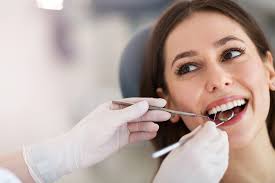
Why Oral Cancer Screening Matters
Oral cancer is one of the most serious conditions a dentist screens for — and one of the most survivable when caught early. According to dental health data, the five-year survival rate for oral cancer diagnosed at an early stage is significantly higher than for cases detected late. The problem is that early-stage oral cancer rarely causes pain or obvious symptoms, which means many patients don’t notice anything unusual on their own. That’s exactly why routine screening during your dental checkup is so valuable. It takes only a few minutes, causes no discomfort, and can make an enormous difference in outcomes.
What Is an Oral Cancer Screening?
An oral cancer screening is a visual and physical examination of your mouth, lips, throat, and surrounding tissues, performed by your dentist or dental hygienist. The goal is to identify any areas that look or feel abnormal — including unusual patches, lumps, sores, or texture changes that may be early warning signs of cancerous or precancerous tissue.
It is important to understand that a screening is not a diagnosis. If something unusual is found, your dentist will recommend further evaluation — which may include a biopsy or referral to a specialist — to determine whether the finding requires treatment.
What Happens During the Screening
The entire process typically takes between five and ten minutes and is performed as part of your regular dental visit. Here is what to expect step by step:
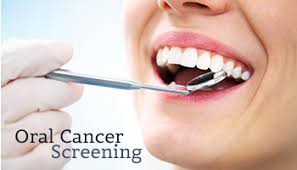
Visual examination of the face and neck Your dentist begins by looking at the outside of your face, jaw, and neck for any visible asymmetry, swelling, or skin changes that could indicate a problem.
Neck and jaw palpation Using their fingers, your dentist will gently feel along your neck and under your jaw to check for enlarged lymph nodes or unusual lumps beneath the surface.
Examination of the lips and cheeks The inside of your lips and cheeks are examined for red or white patches, ulcers, or any areas that look inflamed or irregular.
Tongue and floor of the mouth Your dentist will ask you to stick out your tongue and move it to the sides. They will visually inspect the top, sides, and underside of the tongue, as well as the floor of the mouth — areas where abnormalities are commonly found.
Roof of the mouth and throat The hard and soft palate are examined, along with the back of the throat, for any unusual tissue changes.
Adjunct screening tools Some dental practices use special tools to enhance the screening — such as fluorescent light devices or dye rinses that can highlight abnormal tissue that may not be visible under normal lighting.
What Are Dentists Looking For?
During the screening, your dentist is specifically watching for signs that warrant closer attention. These include:
- Red patches (erythroplakia) or white patches (leukoplakia) that cannot be wiped away
- Sores or ulcers that have not healed within two weeks
- Lumps, thickening, or rough spots in the soft tissues
- Unexplained numbness or tenderness in the mouth or lips
- Difficulty swallowing or a persistent feeling that something is stuck in the throat
Finding any of these does not automatically mean cancer is present — many turn out to be benign. But they all deserve proper follow-up to rule out anything serious.
Who Should Be Screened and How Often
Oral cancer screening is recommended for all adult patients as part of their routine dental checkup, typically once a year. However, certain factors increase risk and may warrant more frequent monitoring:
- Tobacco use of any kind — cigarettes, cigars, pipes, or smokeless tobacco
- Heavy or regular alcohol consumption
- Previous diagnosis of oral cancer or precancerous lesions
- Prolonged sun exposure, which increases risk for lip cancer
- HPV infection, which is increasingly linked to throat and oral cancers
- A family history of oral or head and neck cancers
If any of these risk factors apply to you, let your dentist know so they can tailor the frequency and depth of your screenings accordingly.
What Happens If Something Is Found
If your dentist identifies an area of concern during the screening, the next step is not to panic — it is to investigate. Your dentist will typically recommend one of the following:
- Monitoring — returning in two to four weeks to see if a suspicious sore resolves on its own
- Biopsy — a small tissue sample is taken from the area and sent to a lab for analysis
- Specialist referral — your dentist may refer you to an oral surgeon or ENT specialist for further evaluation
Early action is always better than waiting. Most abnormalities turn out to be completely benign, but the ones that are not respond far better to treatment when identified at an early stage.
Frequently Asked Questions
1. Does an oral cancer screening hurt?
Not at all. The examination involves gentle visual inspection and light touch. There is no discomfort involved unless you already have a sore or tender area, and even then your dentist will be careful around sensitive spots.
2. Is oral cancer screening the same as a regular dental checkup?
It is typically performed as part of your regular checkup, but it is a distinct component of the examination. Some patients are not aware it is being done unless their dentist specifically mentions it. You can always ask your dental team to confirm that a screening is included in your visit.
3. What is the difference between a white patch and a canker sore?
Canker sores are common, painful ulcers that usually heal within one to two weeks. A white or red patch that persists beyond two weeks, does not cause pain, or cannot be wiped away is more concerning and should be evaluated. Painlessness is actually a warning sign — early oral cancer is often not painful.
4. How can I reduce my risk of oral cancer?
Avoid tobacco in all forms, limit alcohol consumption, protect your lips from prolonged sun exposure with SPF lip balm, and maintain regular dental visits for screening. Getting vaccinated against HPV is also recommended as it reduces the risk of HPV-related oral and throat cancers.
“Early detection saves lives — our team includes oral cancer screening as a standard part of every routine visit, because your overall health is just as important to us as your smile.”